
Blog
The Rise of Vegetarian and Vegan Dining in Vientiane

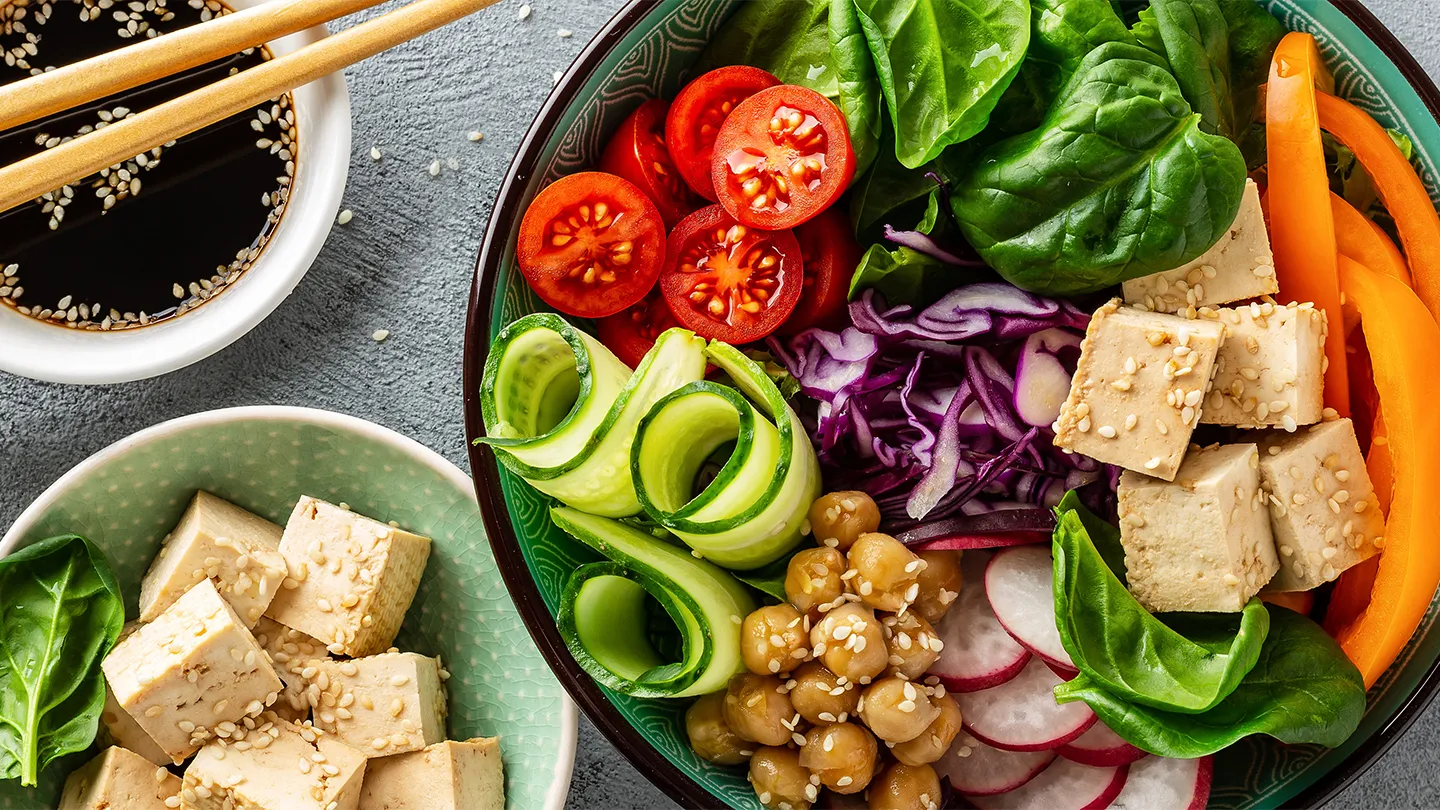
A few years ago, if you told someone you were vegetarian or vegan in Vientiane, you’d get one of two reactions: confusion or concern. The idea of voluntarily skipping meat in a country where larb and grilled fish are basically food groups seemed unusual, to put it mildly.
But something’s shifted. Walk around Vientiane now and you’ll notice more plant-based options popping up on menus, dedicated vegetarian restaurants opening their doors, and a whole lot less side-eye when you ask if something can be made without fish sauce.
It’s Not Just About Buddhism Anymore
Laos has always had a vegetarian tradition thanks to Buddhism. During Buddhist festivals and holy days, plenty of people go meat-free as part of their practice. But what we’re seeing now is different.
It’s people making conscious choices about what they eat for health, environmental, or ethical reasons. Some are going fully plant-based, others are just trying to eat less meat. The point is, it’s become a lifestyle choice rather than just a religious observance, and that’s changed the whole conversation.
The Health Connection
Traditional Lao food is delicious, but it’s not always the lightest. More people are starting to pay attention to how food makes them feel, not just how it tastes. And when you start noticing that plant-based meals leave you with more energy and less afternoon food coma, it’s hard to go back.
There’s also been growing awareness about health issues that come with heavy meat consumption – cholesterol, blood pressure, digestion problems. It’s just people connecting the dots between what they eat and how they feel.
The Expat and Tourist Influence
Vientiane’s expat community has definitely played a role in this shift. When you’ve got people from all over the world living here, there’s naturally more demand for plant-based options. Restaurant owners have figured out that catering to this crowd makes good business sense.
But here’s the interesting part: it’s not just expats and tourists anymore. More and more Lao people, especially younger generations, are getting curious about plant-based eating.
Social Media Changed the Game
You can’t underestimate the power of Instagram and Facebook in all this. When plant-based food looks amazing in photos – colorful fruits, vegetables, creative presentations – people want to try it.
Food bloggers and influencers in Vientiane have been showcasing vegetarian and vegan spots, making plant-based eating look accessible and appealing. It’s no longer seen as boring or restrictive; it’s actually kind of trendy.
The Environmental Angle
Climate change isn’t some distant concept anymore – people in Laos are experiencing it. And more people are making the connection between food choices and environmental impact.
Raising livestock requires a lot of resources. Plant-based foods generally have a much smaller environmental footprint. Even just eating more plant-based meals throughout the week makes a difference, and that message is resonating.
Making It Work in Lao Food Culture
One of the challenges with plant-based eating in Laos has always been the cultural aspect. Food is social here, and there’s often an expectation that you’ll eat what’s served.
But that’s changing. Families are becoming more accommodating, restaurants are more flexible, and there’s less stigma around asking for modifications. Plus, Lao cuisine actually lends itself pretty well to plant-based adaptations. The flavors – lime, lemongrass, chili, herbs – they’re all naturally vegan.
The Variety Factor
A few years ago, vegetarian in Vientiane basically meant tofu stir-fry or spring rolls. Now? The variety is actually impressive. You’ve got Buddha bowls, creative salads, plant-based burgers, Mexican-inspired dishes, Mediterranean options, and innovative takes on Lao classics.
When plant-based food is this diverse and interesting, it’s way easier to stick with it.
The Convenience Factor
Vegetarian and vegan options have become more convenient in Vientiane. More places are clearly marking options on their menus. Staff actually understand what these terms mean. And there are spots specifically designed to make plant-based eating easy and accessible.
When healthy eating is convenient, people actually do it.
Not Just a Passing Trend
Some food trends come and go, but plant-based eating seems to have more staying power in Vientiane. Why? Because it’s solving real problems for real people – helping them feel better, giving diners more choices, addressing environmental concerns, and creating business opportunities.
Restaurants that initially added one or two vegetarian options are now expanding their plant-based menus because the demand is there.
The Middle Ground
Not everyone going plant-based is going all-in. A lot of people are just eating more plants and less meat, without totally eliminating animal products.
This “flexitarian” approach is probably the biggest driver of change. When you stop seeing it as all-or-nothing, it becomes way more approachable. Someone might eat vegetarian during the week and have meat on weekends.
What This Means for Food Culture
The rise of vegetarian and vegan dining in Vientiane isn’t replacing traditional Lao food culture – it’s expanding it. You can still get amazing larb and grilled fish all over the city. But now there are also robust options for people who want something different.
Having more choices is always a good thing.
Looking Forward
If current trends continue, we’re going to see even more growth in plant-based dining in Vientiane. More restaurants will add vegetarian sections to their menus. More dedicated plant-based spots will open. And probably most importantly, it’ll keep getting normalized.
Plant-based eating won’t be seen as weird or extreme; it’ll just be another option.
Why It Matters
At the end of the day, the rise of vegetarian and vegan dining in Vientiane is about options and accessibility. It’s about people being able to eat in a way that aligns with their values, health goals, and preferences without having to make it a huge ordeal.
Good food is good food, regardless of whether it has meat in it or not. And the more options we have for good food in this city, the better off we all are.